



As local citrus season is nearing completion in Europe, EastFruit team decided to look at the top-10 most unique traditional citrus fruits in the various regions of Europe.
We paid special attention in this article for IGP certified citrus fruits. IGP stands for “Indicazione Geografica Protetta” (Indication of Geographic Protection). The IGP label shows that the quality and reputation of this specific citrus is linked to the place or region where it is grown.
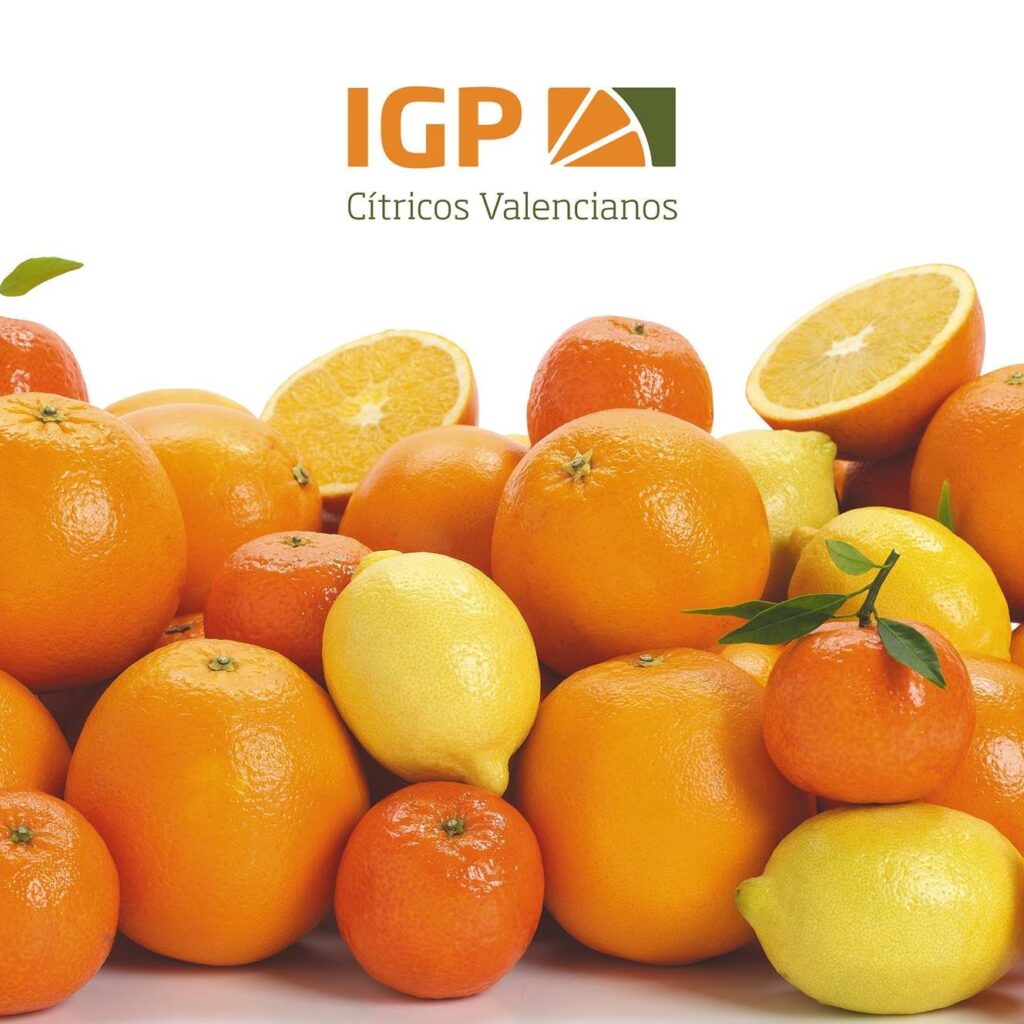
Cítricos Valencianos from Valencian Community in Spain includes oranges, mandarins, and lemons grown in the provinces of Castellón, Valencia, and Alicante. Valencian growers produce well-balanced, flavourful fruits with very intense beautiful colour and fragrance thanks to the warm Mediterranean climate of the region. These fruits are very popular in Europe but they are also exported in large quantities as a premium product to China, Middle East, Latin America and South-East Asia.
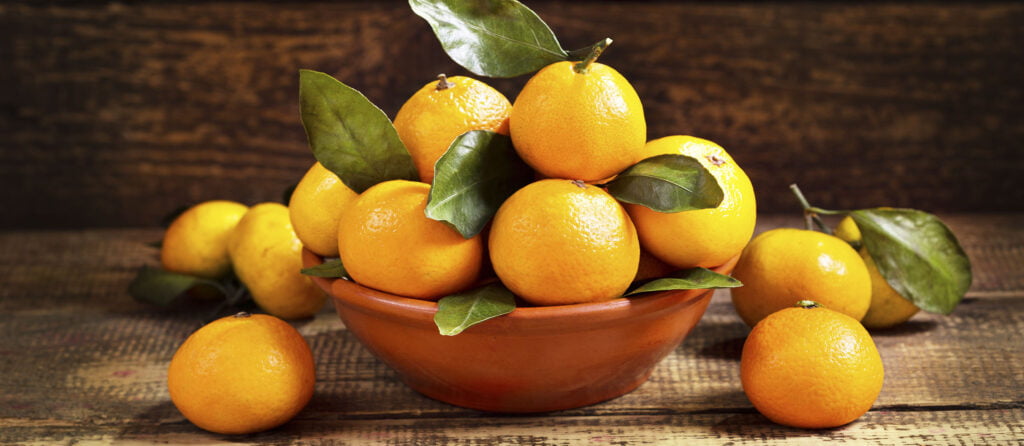
 Mandarini Chiou from Chios in Greece are among the most aromatic mandarins in the world. Their high sugar content, tender flesh, and intense aroma make them a delightful choice for consumers. These IGP fruits are very popular among true connoisseurs.
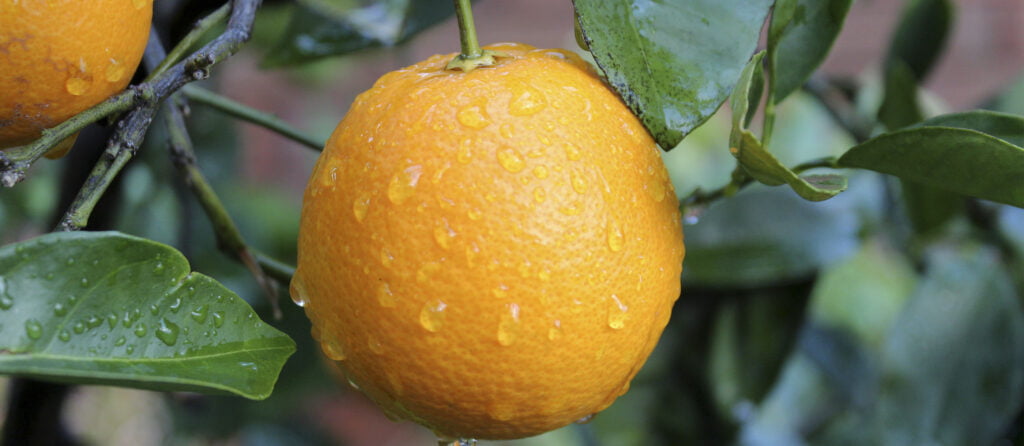
Portokalia Maleme Chanion Kritis is another representative of Greece and comes from Crete. These Washington Navel oranges are cultivated in the coastal areas of Chania prefecture on the island of Crete. While the variety of these oranges is not local and it also does not come from Washington despite the name, while grown in Chaina they turn out to be exceptionally juicy, have very ample flavour and sustain long-distance transportation easily, which makes them more readily available to people who love these fruits.
 Limone di Sorrento Naples in Italy is also known as Limone di Massa Lubrense or Massese. These lemons are very fragrant and can bear fruit up to five times a year, making them available year-round. These lemons are huge in size —some as large as your face or even as a melon! Their skin of Limone di Sorrento is softer, and the rind is less bitter than in other varieties. These lemons are also rounder in shape.
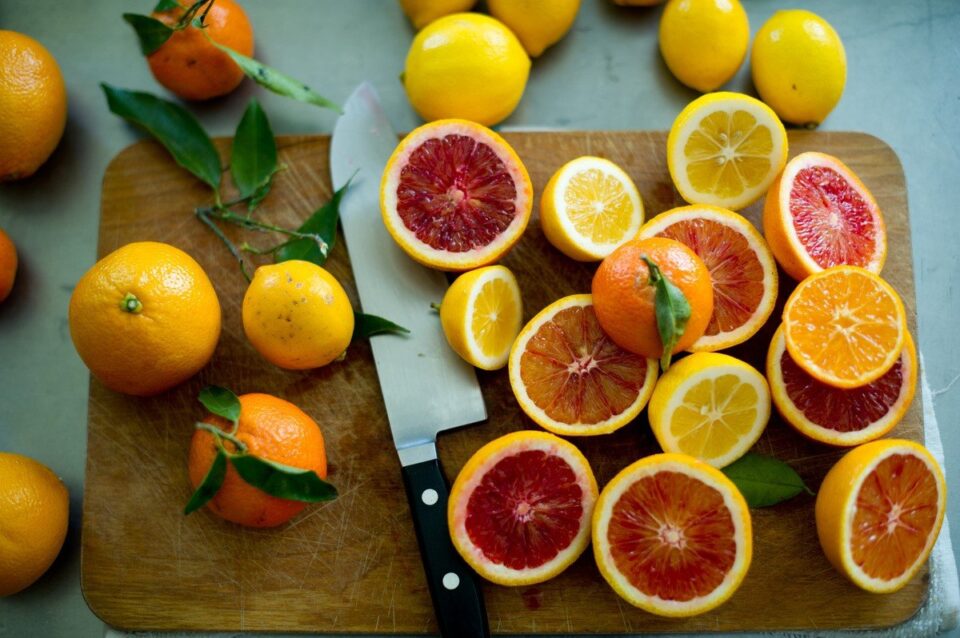
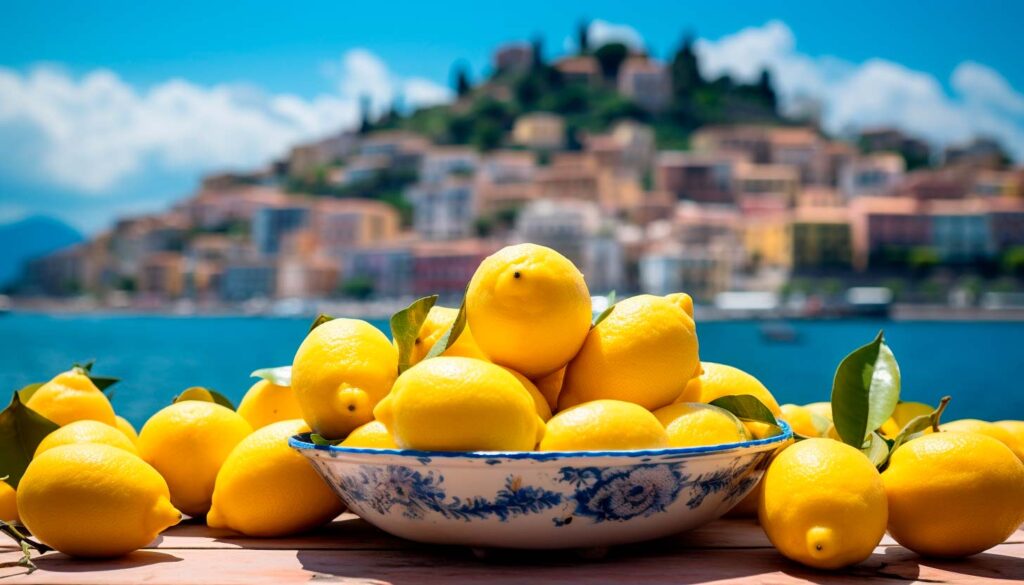 Arancia Rossa di Sicilia is rather famous. It comes from Province of Enna in Italy. They are often called “bloody oranges”. These oranges are famous for their vibrant red colour and sweet, tangy flavour. They are cultivated in Sicily and have become a symbol of the region. They are also widely used for fresh squeezed orange juice in Italy. By the way – try these oranges with large grains of sea salt – you’ll love it!
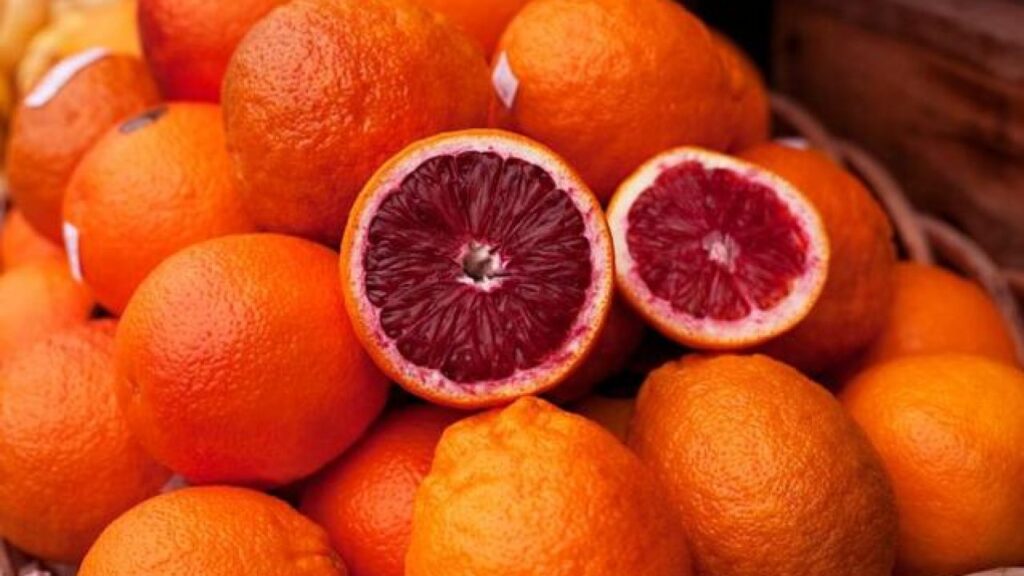 Limone Costa d’Amalfi also known as Sfusato Amalfitano, comes from the beautiful Province of Salerno in Italy. These lemons are grown along the Amalfi Coast and are known for their intense aroma and versatility in culinary applications. Amalfitano is believed to date back to the days of the Roman Empire. The Limone Costa d’Amalfi I.G.P. boasts twice the amount of essential oils and terpenes compared to other cultivars. This complexity influences the richness of flavour experienced when enjoying these lemons and that’s why this specific lemon is always in a high demand among the chefs.
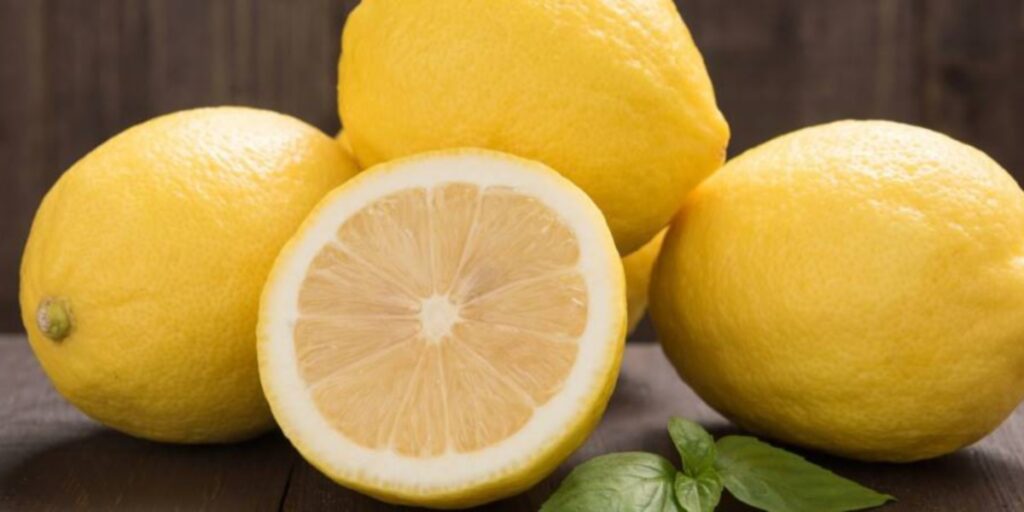 Citrinos do Algarve from Algarve in Portugal includes a variety of citrus fruits, including oranges, lemons, and mandarins. The region’s warm climate contributes to their excellent quality. Citrinos do Algarve IGP production is limited to specific municipalities, including Albufeira, Faro, Lagoa, Lagos, Olhão, and a few others. When grown in these regions, citrus fruit develop higher juice content with a sweet and unmistakable flavour.
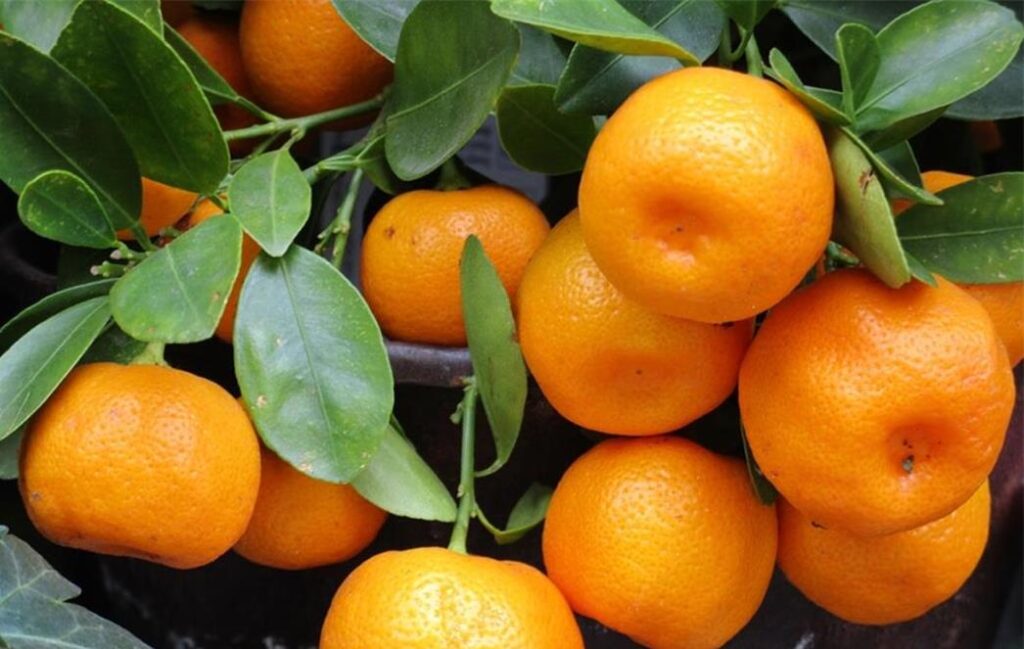
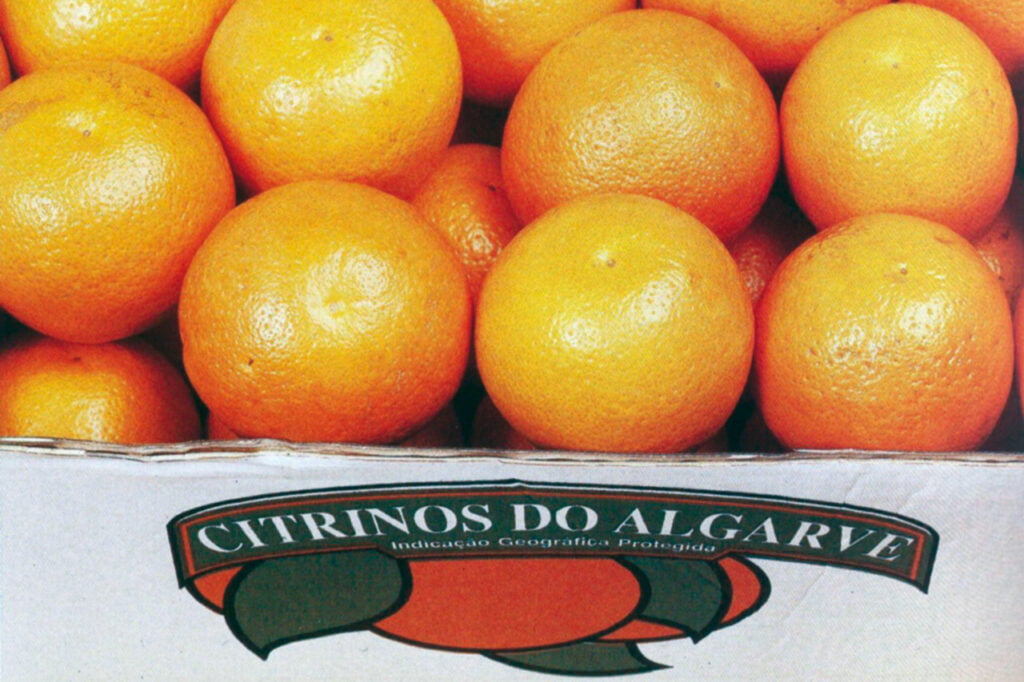 Neretvanska mandarina from Neretva Delta in Croatia are known for their sweet flavour and vibrant colouring. The Neretvanska mandarina is similar to a tangerine. It has a segmented structure, and its rind is easily peeled away.
Maintain full control over fruit and vegetable prices in Turkey, Egypt, Ukraine, Uzbekistan, Russia, Moldova and other markets subscribing to EastFruit Premium.
The use of the site materials is free if there is a direct and open for search engines hyperlink to a specific publication of the East-Fruit.com website.