
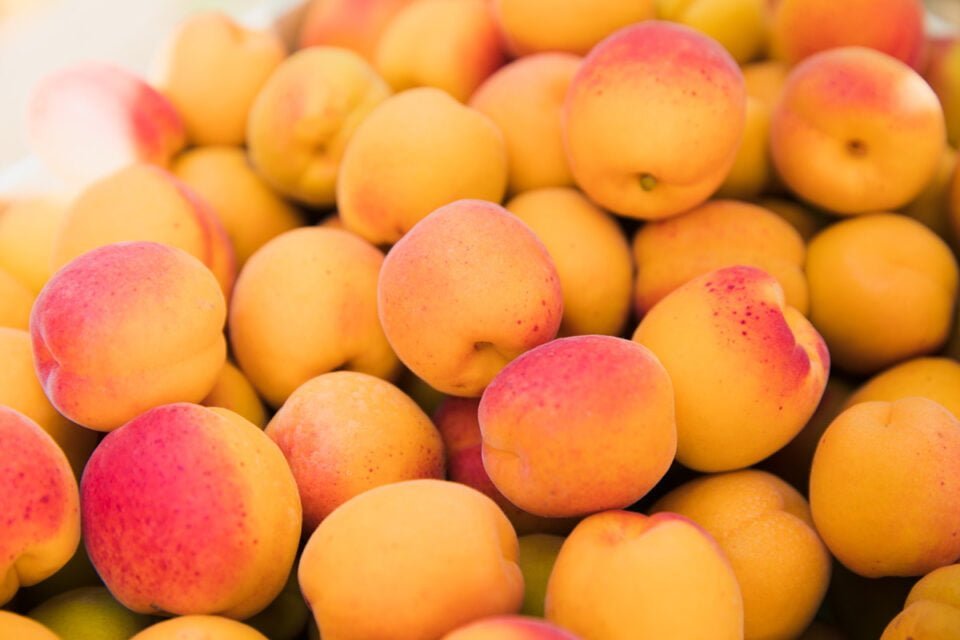
Tajikistan harvested 206,400 tonnes of apricots in January–September 2026, down 35.8% year-on-year. Spring frosts following early flowering, high temperatures, and water shortages are increasing risks for the country’s agriculture, EastFruit reports, citing Asia+.
According to the Statistics Agency, Sughd Region was the hardest hit, with apricot production falling 48% to 89,800 tonnes. Output declined by 54.9% in the Districts of Republican Subordination and by 17.3% in Khatlon Region.
Growers attribute the losses to sharp temperature fluctuations and rain during flowering. Ikhtiyor Aliev, head of the Mevai Zarrin company, said losses at some farms reached 70–80%. Due to the shortage of raw materials, the company, which normally processes around 200 tonnes of fruit annually, expected to handle just 60–70 tonnes in 2026.
Other crops were also affected. Spring frosts damaged sweet cherries and peaches, while apple production increased by 18.7% and grape production by 10.9% by autumn.
Rising temperatures are increasing water demand. Farmers must irrigate their fields more frequently: some farms that previously needed three irrigations per season now require five or six. Soil degradation is another concern. Experts estimate that nearly 70% of Tajikistan’s arable land is affected by various forms of degradation, while declining soil fertility can reduce yields of certain crops by 9–15%.
Adapting to these conditions requires water-saving technologies, drought-resistant varieties, soil fertility restoration, and improved irrigation systems. However, implementing these measures requires substantial investment that many farmers cannot afford.
In 2025, Tajikistan’s government approved a three-year climate change adaptation plan, allocating 130.3 million somoni to strengthening agricultural resilience and food security. By 2030, the authorities aim to introduce water-saving technologies on half of the country’s irrigated land.
For small farms dependent on rainfall and increasingly unpredictable harvests, however, a lack of funding for modernization and orchard maintenance remains the main obstacle.
The use of the site materials is free if there is a direct and open for search engines hyperlink to a specific publication of the East-Fruit.com website.