
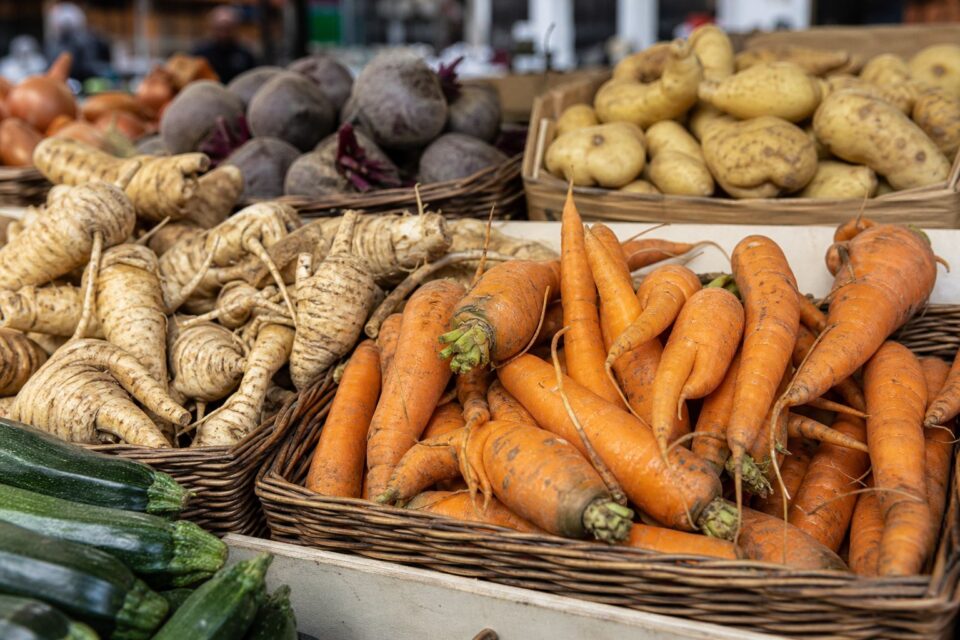
Most consumers do not consider the appearance of fruit and vegetables an important purchasing criterion, yet unusually shaped produce is still rarely sold separately in supermarkets, writes EastFruit.
This is according to a survey conducted by Dutch publication Radar, which involved 3,279 respondents.
According to the survey, 77% of respondents consider the shape of fruit and vegetables unimportant, while 56% are willing to pay the same price for unusually shaped produce as for standard-looking products of the same quality. However, 44% expect such products to be sold at a discount.
Toine Timmermans, director of the Samen Tegen Voedselverspilling (United Against Food Waste) organisation, explained that one reason for the limited presence of cosmetically imperfect fruit and vegetables in retail is strict marketing standards and buyer requirements. In addition, growers are highly successful at producing Class I produce. For example, fewer than 1% of greenhouse cucumbers grown in the Netherlands are crooked.
Read also: Top-10 most unusual fruits rapidly gaining popularity – EastFruit
Nevertheless, most fruit and vegetables with cosmetic imperfections still reach consumers through other channels. Small cauliflowers are used in meal kits, while riper fruit is processed into smoothies.
According to Timmermans, supermarkets are gradually expanding their range of unusually shaped produce, and food waste generated in their own operations has fallen by 34% since 2018. However, significant potential remains to reduce food waste further, particularly in the fruit and vegetable categories.
Selling unusually shaped produce, including at discounted prices, could provide an additional way to reduce food waste and make fuller use of harvested crops.
The use of the site materials is free if there is a direct and open for search engines hyperlink to a specific publication of the East-Fruit.com website.