
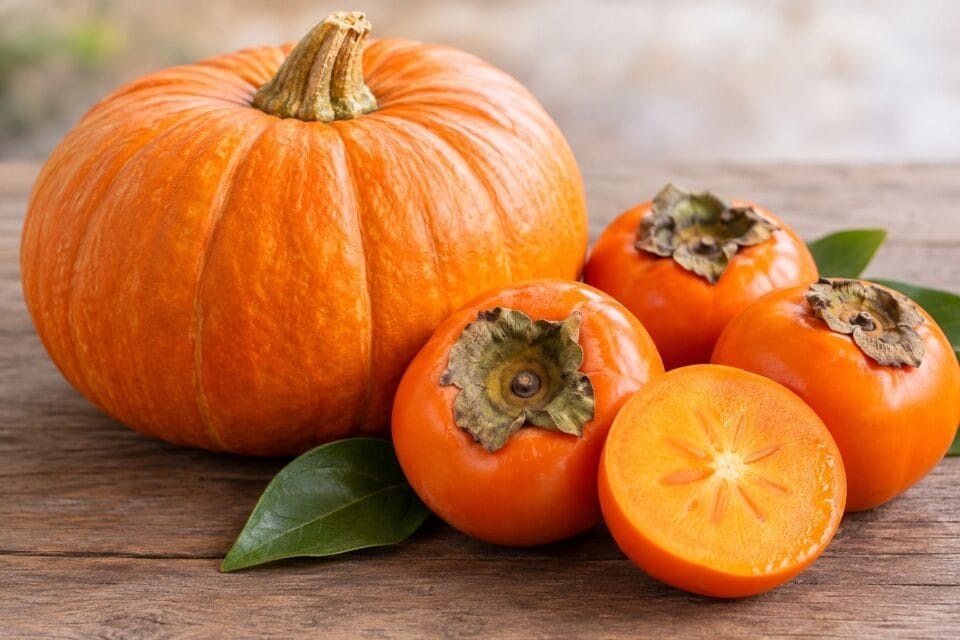
Tomatoes have taken the lead in vegetable trade, apples remain the dominant fruit, while pumpkins and persimmons are gaining momentum as the regional produce market moves deeper into the autumn season.
EastFruit’s analysis of regional trading platforms for week 37 of 2026 shows that overall trading activity remained broadly stable compared with the previous week, but the product mix continued to shift noticeably.
Key market highlights this week
- Tomatoes became the most frequently offered product on the EastFruit Trade Platform.
- Onion and white cabbage supply continued to increase.
- Potato, carrot and beetroot offers declined.
- Pumpkin and eggplant returned to the weekly list of actively traded vegetables.
- Apples remained the leading product in the fruit segment.
- Watermelon and plum offers decreased.
- Onion prices increased in Ukraine, while apple prices moved lower.
- Cucumber and pear prices rose in Uzbekistan.
- Seedlings became the best-selling category in the EastFruit Fruittechnology group.
During the past week, fruit and vegetables were offered by participants from eight countries in the EastFruit Trade Platform group. The total number of advertisements remained close to the previous week’s level.
At the same time, the geography of supply changed. The number of offers from Uzbekistan, Türkiye and China increased, while trading activity from Ukraine and Azerbaijan declined.
As a result, the five most active countries by number of advertisements were Ukraine, Uzbekistan, Türkiye, China and Iran.
Tomatoes move to the top
Tomatoes became the leading product on the trading platform by number of advertisements, with supply continuing to expand.
White cabbage sellers also increased their activity, while onion was offered more frequently than a week earlier.
At the same time, the number of offers for potatoes, carrots and table beet decreased. Beetroot dropped out of the weekly top-selling products altogether.
Meanwhile, two seasonal vegetables returned to the rankings: eggplant and pumpkin, driven largely by increased sales activity from Ukrainian suppliers.
The change clearly reflects the seasonal transition now taking place across the region: summer vegetables are gradually losing ground, while autumn products are taking a larger share of trade.
Apples remain the clear fruit leader
In the fruit and berry segment, apples continued to dominate trading activity, even though the number of apple offers declined compared with the previous week.
Plum and nectarine supply also decreased, while the number of watermelon sellers continued to fall.
Melon supply, on the contrary, increased.
Another sign of the seasonal shift came from Türkiye, where the Meyer lemon season has started, with the first sales advertisements already appearing on the platform.
Uzbek suppliers continued to expand persimmon sales, while Ukrainian participants increased offers of pears.
Demand from buyers is also strengthening. The number of purchasing advertisements for fresh produce continued to increase, with potatoes recording the strongest demand during the week.
Buyers were also actively looking for other key vegetables traditionally included in the Eastern European “borscht set”.
Ukraine: onions, tomatoes and cucumbers become more expensive
Vegetable prices in Ukraine moved in different directions during the week.
Lower availability of table beet pushed prices higher, while onion prices also increased.
Tomatoes and cucumbers continued to appreciate.
Among cabbage products, Chinese cabbage and cauliflower became cheaper, while broccoli prices moved upward.
Prices for zucchini and eggplant declined, while the price range for hot peppers narrowed.
The fresh herb segment also showed mixed dynamics: dill and parsley became more expensive, while green onion prices decreased.
In the fruit and berry market, apple and pear prices started to decline.
At the same time, blueberry and strawberry prices rose sharply, while raspberries were also traded at higher prices than a week earlier.
Plum prices decreased, while peach and nectarine prices began to recover.
Watermelon prices continued rising despite the seasonal decline in supply. Price ranges widened for both melons and grapes.
Among imported fruits, lemon prices decreased.
Uzbekistan: cucumbers and pears move higher
In Uzbekistan, cucumber prices started to increase during the week.
Pear prices also moved upward.
At the same time, export opportunities for Uzbek fruit and vegetables continue to expand, with India recently opening its market to Uzbek chili peppers and pomegranates.
Seedlings become the hottest product in agri-technology trade
Activity in the EastFruit Fruittechnology group continued to grow, driven primarily by a sharp increase in seedling offers.
As a result, seedlings became the most actively traded product in the technology segment last week.
Packaging materials were also offered more frequently than during the previous week.
Other products advertised by participants included greenhouse fan heaters, fruit graders and seedling trays.
The growing activity around seedlings is another indication that producers are already preparing for future planting cycles even as the 2026 harvest and marketing season remains in full swing.
The market is clearly entering its autumn phase
Week 37 brought no major change in overall trading volume, but the composition of trade is evolving quickly.
Tomatoes and apples remain the two major anchors of the regional fresh produce market. At the same time, the growing presence of pumpkins, persimmons, pears, lemons and planting material shows how rapidly seasonal priorities are changing.
For traders, growers and buyers, the key signals to watch in the coming weeks will be the pace of apple price adjustments, onion and potato availability, the expansion of persimmon supply from Central Asia, and the gradual disappearance of summer fruit categories from wholesale trade.
EastFruit will continue monitoring these trends across regional trading platforms.
The use of the site materials is free if there is a direct and open for search engines hyperlink to a specific publication of the East-Fruit.com website.